
CBT & DBT: How Changing Thoughts and Emotions Can Transform Your Life (4 Practical Steps You Can Start Now)

If you’ve ever felt stuck in your thoughts, overwhelmed by intense emotions, or unsure how to make meaningful progress, you’re not alone. Many people come to therapy seeking real change in how they think, feel, and behave.
Two evidence-based approaches therapists use to help people transform their lives are Cognitive Behavioral Therapy (CBT) and Dialectical Behavior Therapy (DBT). Both help you build powerful skills for lifelong emotional well-being, but they do it in slightly different, complementary ways.
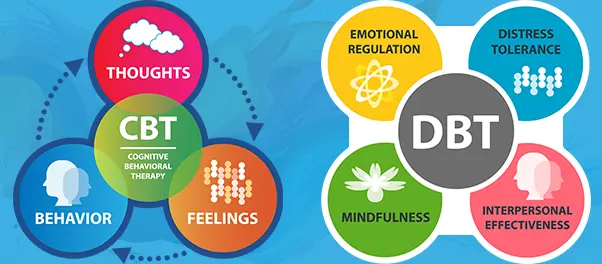
In this post, we’ll break down how CBT and DBT work in practice, share concrete goals you can actually set in therapy, and give you practical steps you can start using this week.
What Is CBT - And Why Does It Work?
CBT (Cognitive Behavioral Therapy) is built on a simple but powerful idea:
Your thoughts, feelings, and behaviors are all connected, and by changing unhelpful thoughts, you can change how you feel and act.
CBT helps you:
Identify automatic negative thoughts that fuel anxiety or depression
Challenge thoughts that don’t fit the facts
Replace them with more balanced, realistic thinking
Test new ways of behaving in the real world
For example, instead of thinking “Everyone will judge me,” you might learn to practice: “I can handle this situation even if someone disagrees with me.”
Where DBT Fits - Mindfulness and Emotional Mastery
DBT (Dialectical Behavior Therapy) grew out of CBT but adds a strong focus on acceptance - especially of emotions that feel intense or overwhelming. DBT teaches you skills to:
Regulate intense emotions
Tolerate distress without making things worse
Communicate effectively in relationships
Stay grounded through mindfulness practices
Instead of trying to stop emotions, DBT helps you ride them like a wave with skills like:
STOP: Stop, take a step back, observe, proceed mindfully
TIPP: Temperature change, intense exercise, paced breathing, progressive muscle relaxation
This makes DBT especially useful when emotions feel too big to manage.

How to Set Therapy Goals That Actually Work
One reason therapy can feel slow or unclear is when goals are too vague. Instead of “I want to feel better,” the best goals are SMART: Specific, Measurable, Achievable, Relevant, and Time-bound.
Examples of SMART CBT Goals
Reduce anxiety during presentations by practicing deep breathing and exposure tasks 3x/week for 6 weeks.
Challenge negative thoughts daily using a thought record and reduce negative self-talk by 30% in 8 weeks.
Practice mindfulness for 10 minutes each day to decrease stress levels in 4 weeks.
Examples of SMART DBT Goals
Use one distress-tolerance skill (like TIPP or grounding) in at least 3 out of 5 high-stress moments each week for 4 weeks.
Apply interpersonal effectiveness skills in one real relationship conflict weekly and track outcomes monthly.
Practice mindful awareness in at least 10 daily situations to reduce emotional reactivity.
SMART goals help you track progress, stay motivated, and celebrate wins. Even small steps truly add up towards the bigger picture of progress.
Practical Skills You Can Start Today
Here are simple CBT and DBT techniques you can try right now:
Thought Recording (CBT): Write a thought that made you upset, the feeling it triggered, and one balanced alternative thought.
Grounding (DBT): Name 5 things you see, 4 things you feel, 3 things you hear to bring your attention to the present.
Opposite Action (DBT/CBT blend): When you feel like avoiding, do something approach-oriented - even a small action counts.
The “Behavioral Experiment”: Do something you fear or avoid and test if your prediction actually comes true, then reflect.
Final Thoughts - Change Is a Skill You Build
Therapy isn’t about fixing you, it’s about teaching you tools to handle life with confidence, resilience, and clarity. Both CBT and DBT give you skills you can use long after therapy ends.
Whether you’re tackling anxiety, emotional overwhelm, relationship challenges, or you just want to understand yourself better, setting thoughtful goals and learning skills makes the process clearer, faster, and more empowering.
Ready to take the next step in your emotional growth journey? Start with one small goal today and build from there. Progress is progress, no matter how small.
Reach out to Downers Grove Counseling and Wellness today!


Comments